Pillar 2 – Contaminant Guides

Radium and Uranium in Drinking Water: Gross Alpha, Limits and Filters
Radium and uranium in drinking water, along with gross alpha activity, are the naturally radioactive side of your tap – they dissolve…
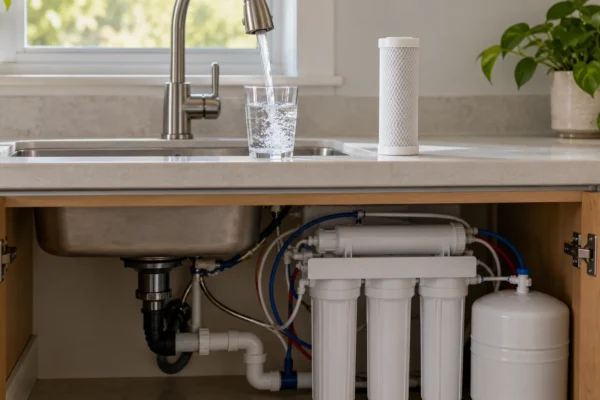
Fluoride in Drinking Water: The Limits, the Benefit, and the Debate
Fluoride is the one contaminant on this site that is genuinely contested, so we are going to do something different: lay out…
Disinfection Byproducts in Drinking Water (TTHM & HAA5): The Limits and the Tradeoff
Disinfection byproducts in drinking water are the trade you make for safe water. Utilities add chlorine or chloramine to kill the germs…
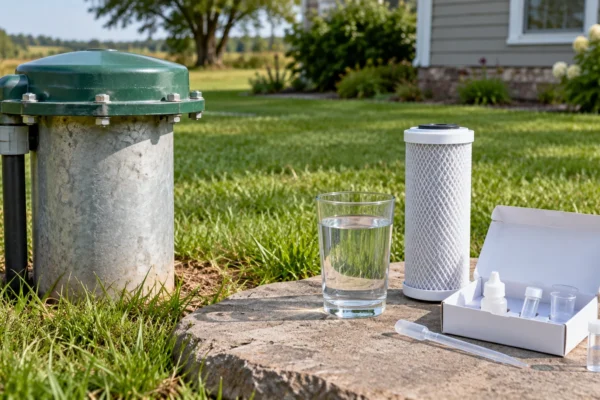
Arsenic in Drinking Water: The Limit, the Risk, and the Right Filter
Arsenic in drinking water is the contaminant you cannot see, taste, or smell, and the one most people never think to test…
What the New EPA PFAS Limits Mean for Your Water
In May 2026 the EPA proposed two changes to the EPA PFAS limits for drinking water, and the headlines made it sound…
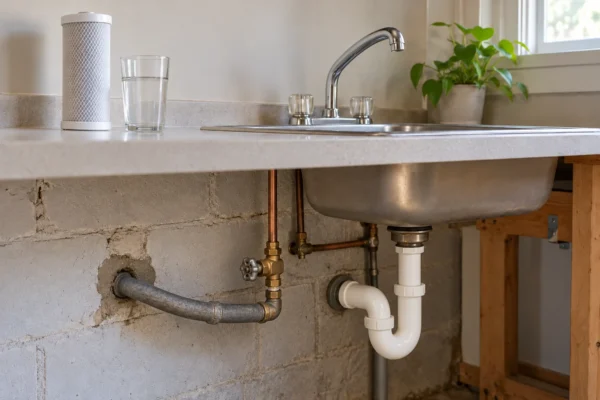
Lead in Drinking Water: Where It Comes From and How to Filter It
Lead in tap water almost never comes from the treatment plant – it comes from the pipes between the plant and your…
PFAS in Drinking Water: What They Are, the EPA Limit, and How to Filter Them
PFAS are a family of thousands of synthetic “forever chemicals,” and in April 2024 the EPA set the first national drinking-water limits…
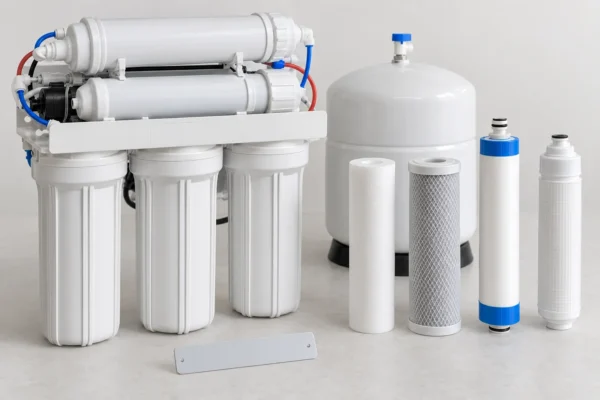
Are Reverse Osmosis Filters Universal? How to Find the Ones That Fit
Are reverse osmosis filters universal? No. A replacement that looks right can still be the wrong stage, the wrong membrane size, or…
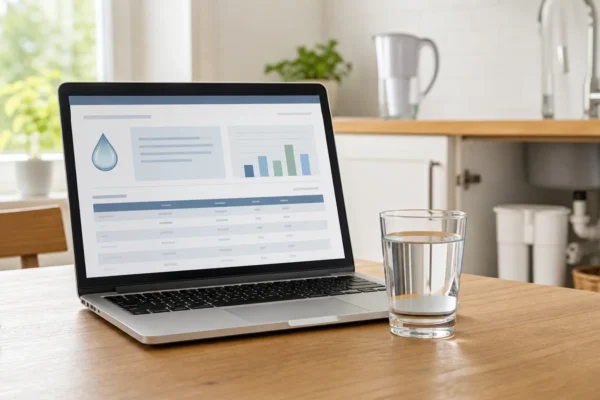
What’s In My Tap Water? How to Check Your EPA Data and Pick a Filter
What’s in my tap water? is a question with a real, checkable answer for most U.S. households – you just have to…
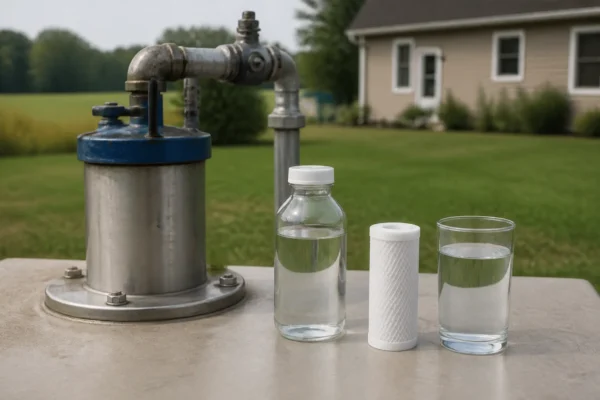
Arsenic in Well Water: The EPA Limit, Health Risk, and Which Filters Actually Remove It
Arsenic in well water is dangerous precisely because nothing about your water will tell you it’s there. The EPA’s enforceable limit of…